
Introduction
The UAE's technology sector offers career opportunities across artificial intelligence (AI), software engineering, data analytics, cybersecurity, cloud computing, product management and IT operations.
Which technology career matches your skills?
Before applying, identify a target role and compare your current capabilities with its requirements.
AI and Machine Learning Engineer
AI and machine learning engineers develop, evaluate and deploy systems that learn from data or generate outputs based on trained models.
Relevant skills may include:
- Python or another suitable programming language.
- Statistics, probability and linear algebra.
- Machine learning algorithms and model evaluation.
- Data preparation and feature engineering.
- Model deployment, monitoring and performance optimization.
- Data privacy, security and responsible AI practices.
Advanced research roles may require postgraduate education or research experience. Applied engineering positions may place greater emphasis on practical implementation, software engineering and production systems.
Software Developer or Software Engineer
Software engineers design, build, test and maintain applications and digital systems.
Employers may look for programming proficiency, data structures, algorithms, software architecture, testing, version control and experience working with APIs or databases.
The required technologies depend on the product and team. Candidates should prioritize the languages, frameworks and engineering practices mentioned in the vacancy rather than trying to learn every available tool.
Data Analyst or Business Intelligence Analyst
Data analysts transform raw data into information that supports business decisions.
Typical requirements include SQL, spreadsheets, data visualization, statistics, data cleaning and analytical communication. Python or R may be useful depending on the employer.
Candidates should be able to explain not only how they produced a report but also what the findings mean and what action a business could take.
Data Engineer
Data engineers build and maintain systems that collect, transform, store and deliver data.
Useful skills include database design, SQL, data pipelines, cloud services, data modelling, orchestration and monitoring.
Reliability, data quality and documentation are important because other teams depend on these systems for reporting, analytics and AI applications.
Cybersecurity Specialist
Cybersecurity professionals protect systems, networks, applications and information against threats.
Depending on the role, employers may require knowledge of networking, operating systems, access controls, vulnerability management, security monitoring, incident response or cloud security.
Relevant certifications can support an application, but practical experience and sound security judgement remain important.
Cloud and DevOps Engineer
These professionals help organizations deploy, operate and scale digital services.
Typical skills include cloud infrastructure, Linux, scripting, infrastructure as code, CI/CD pipelines, containers, monitoring and reliability engineering.
Employers may prioritize experience with the cloud platform and technical environment already used by their organization.
Technology Product Manager
Product managers connect customer needs, commercial priorities and technical delivery.
They may need experience with product strategy, requirements gathering, prioritization, stakeholder management, product metrics and agile delivery.
Technical understanding is valuable, but the central requirement is often the ability to make effective decisions and align different teams around a clear outcome.
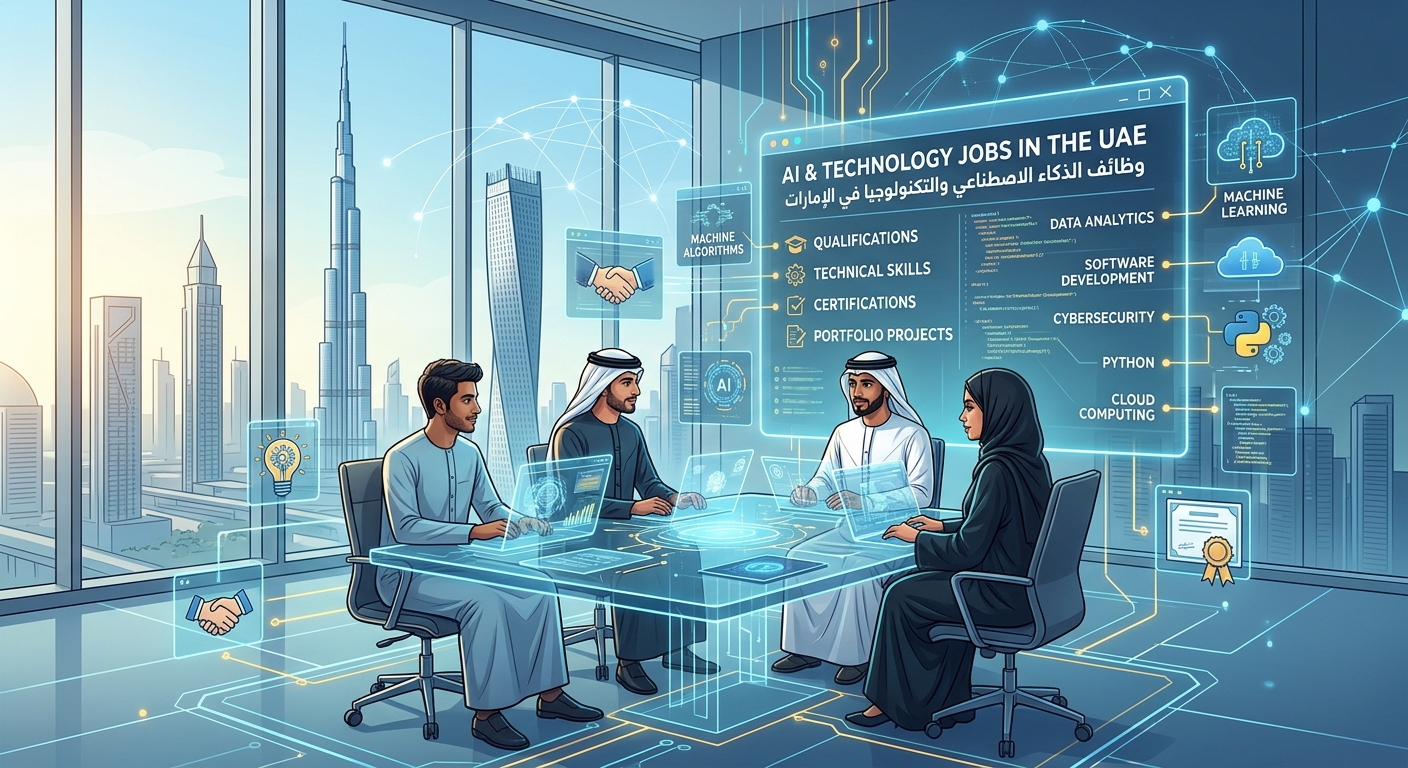


Do you need a university degree?
A degree in computer science, engineering, mathematics, statistics or a related subject can provide a useful foundation for technical careers.
For some positions, especially advanced research, specialized engineering or roles with formal educational requirements, a relevant degree may be essential.
Other employers consider equivalent practical experience, particularly when candidates can demonstrate their skills through professional work, projects and technical assessments.
The most effective approach is to review actual vacancies for your target role. Look for recurring requirements across several employers, then identify which qualifications are essential and which are preferred.
Do not assume that a short course automatically qualifies you for a specialist position. Equally, do not rule yourself out solely because you lack a particular degree if the employer accepts equivalent experience.
Which certifications can improve your profile?
Certifications may help demonstrate structured learning and familiarity with particular tools or professional standards.
Examples include credentials related to:
- Cloud architecture and administration.
- Cybersecurity and security operations.
- Data analytics and business intelligence.
- Project management and agile delivery.
- Specific enterprise platforms and technologies.
Choose certifications based on the jobs you intend to pursue. A credential is most useful when it addresses a real requirement in the vacancies you are targeting.
For AI roles, certificates should be supported by evidence of practical work. Candidates should be able to discuss data quality, model evaluation, deployment limitations and the risks associated with the systems they build.
Build a portfolio that demonstrates practical ability
A portfolio can help employers evaluate what you can actually do.
Rather than presenting dozens of unfinished exercises, select two or three relevant projects and explain each one clearly.
For software engineering: Show an application, explain its architecture, document important decisions and include tests where appropriate.
For data analytics: Present a dataset, explain your cleaning process, show the analysis and describe the business question the results address.
For AI and machine learning: Explain the problem, data source, evaluation method, limitations and potential deployment considerations.
For cybersecurity: Use lawful lab environments or approved projects and demonstrate defensive analysis without exposing sensitive systems.
For cloud and DevOps: Document a deployment, automation workflow, monitoring approach or infrastructure configuration.
For every project, answer four questions:
- What problem did you solve?
- What was your individual contribution?
- Which tools and methods did you use?
- What did the result demonstrate?
Never publish confidential employer information, private code or personal data without authorization.
What soft skills do technology employers value?
Technical competence is essential, but many positions also require collaboration with people outside the engineering team.
Problem solving
Employers value candidates who can break down complex problems, test assumptions and explain their reasoning.
Communication
Technology professionals often need to explain technical trade-offs to commercial, operational or executive stakeholders.
Collaboration
Software, data and AI projects frequently involve multiple teams. Candidates should be able to describe how they handle disagreements, share information and coordinate delivery.
Documentation and reliability
Readable code, clear documentation, testing and monitoring help organizations maintain systems over time.
Responsible AI and security awareness
AI and data professionals should understand privacy, access controls, data quality, bias, model limitations and the need for appropriate human oversight.
Business understanding
The ability to connect technical work with revenue, efficiency, customer experience, risk reduction or another measurable business objective can strengthen a candidate's profile.
How to prepare your CV for technology jobs in the UAE
A technology CV should be concise, specific and aligned with the target position.
Include:
- A clear professional summary.
- Technical skills grouped by category.
- Relevant employment experience.
- Projects demonstrating practical competence.
- Education and relevant certifications.
- Links to a professional portfolio or code repository, where appropriate.
- Languages and location or relocation information, if relevant.
Describe achievements rather than listing duties alone.
For example, instead of writing “Responsible for reporting,” explain which reporting process you developed, which tools you used and what improvement it delivered—provided the result can be substantiated.
Be honest about your proficiency. Distinguish between professional experience, personal projects and tools you have only studied.
How to prepare for a technology interview
Read the job description carefully and prepare examples that demonstrate its most important requirements.
For technical interviews, practise the relevant fundamentals and be ready to explain your decisions. For data roles, discuss assumptions and validate calculations. For AI positions, understand model evaluation, data leakage, overfitting and deployment risks.
For product and business analysis roles, prepare examples of prioritization, stakeholder management and measurable outcomes.
Ask the employer about the technical environment, team structure, delivery process, security practices and expectations for the first three to six months.
Frequently Asked Questions
Can I get an AI job without a master's degree?
Yes, some applied AI positions accept a bachelor's degree or equivalent practical experience. Research-intensive positions may require postgraduate qualifications. Always check the specific job requirements.
Are certifications enough to get a technology job?
Certifications can support your application, but practical skills, relevant projects and the ability to explain your work are often important as well.
Which technology skills are most in demand?
Requirements vary by employer and change over time. Software development, data engineering, analytics, cybersecurity, cloud infrastructure and AI-related capabilities are examples of distinct areas worth researching against current vacancies.
Should I include personal projects on my CV?
Yes, when the projects are relevant, documented clearly and demonstrate the capabilities required for the target role.
How can Talent Capital help technology candidates?
Talent Capital supports specialist and leadership recruitment across the UAE and GCC. Candidates can share their experience and target roles to explore relevant opportunities.
Conclusion
Technology employers need professionals who can combine relevant qualifications with practical ability and sound judgement.
Choose a target career, identify the skills employers repeatedly request, build a portfolio that demonstrates your competence and prepare to explain how your work solves real problems.
Talent Capital connects professionals with relevant recruitment opportunities across technology and other specialist sectors in the UAE and GCC.